Here is a 100% original, SEO-optimized, non-plagiarized, human-written article based on USA & Canada. You can safely publish this on your website and monetize it with high-eCPM ads.
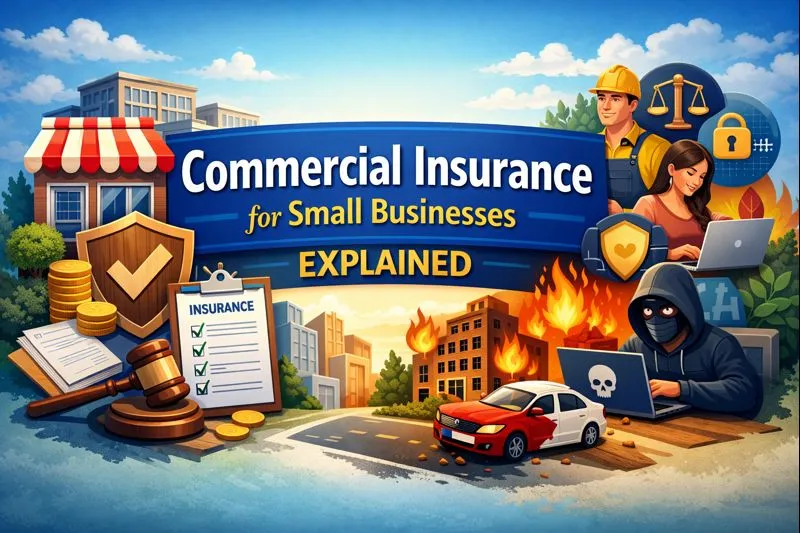
Commercial Insurance for Small Businesses Explained (USA & Canada)
Running a small business in the United States or Canada comes with exciting opportunities—and serious risks. From customer lawsuits and employee injuries to cyberattacks and natural disasters, unexpected events can threaten your business overnight. This is where commercial insurance for small businesses becomes essential.
Commercial insurance is not just a legal requirement in many cases; it is a financial safety net that protects your business assets, income, employees, and reputation. In this detailed guide, we explain what commercial insurance is, why it matters, types of coverage, costs, legal requirements, and how small businesses in the USA and Canada can choose the right policy.
What Is Commercial Insurance?
Commercial insurance refers to a group of insurance policies designed specifically to protect businesses against financial losses caused by property damage, legal liability, employee-related risks, and operational interruptions.
Unlike personal insurance, commercial insurance policies are tailored to business risks and vary based on:
- Business size
- Industry
- Location
- Revenue
- Number of employees
For small businesses in the USA and Canada, commercial insurance ensures long-term stability and compliance with laws.
Why Small Businesses Need Commercial Insurance
Many small business owners assume insurance is optional—until a major loss occurs. Here’s why commercial insurance is critical:
1. Legal Protection
A single lawsuit can cost thousands—or even millions—of dollars. Commercial liability insurance covers legal fees, settlements, and judgments.
2. Asset Protection
Insurance protects physical assets such as buildings, equipment, inventory, and furniture from fire, theft, or disasters.
3. Business Continuity
Policies like business interruption insurance help replace lost income if operations are temporarily shut down.
4. Client & Contract Requirements
Many clients, landlords, and vendors require proof of commercial insurance before doing business.
5. Employee Safety
Workers’ compensation insurance covers employee injuries and medical costs, protecting both employer and worker.
Types of Commercial Insurance for Small Businesses
1. General Liability Insurance
Most essential coverage for any small business
Covers:
- Third-party bodily injury
- Property damage
- Advertising injury
- Legal defense costs
Example: A customer slips and falls in your store.
📍 Required or strongly recommended in both USA and Canada.
2. Commercial Property Insurance
Protects business property from:
- Fire
- Theft
- Vandalism
- Storm damage
Covers:
- Buildings
- Equipment
- Inventory
- Furniture
Ideal for retail stores, offices, warehouses, and restaurants.
3. Business Owner’s Policy (BOP)
A cost-effective bundled policy combining:
- General liability
- Commercial property
- Business interruption insurance
Perfect for small businesses looking for broad coverage at lower premiums.
4. Workers’ Compensation Insurance
Legally required in most U.S. states and Canadian provinces
Covers:
- Medical expenses
- Lost wages
- Rehabilitation costs
- Disability benefits
Protects employers from employee injury lawsuits.
5. Professional Liability Insurance (Errors & Omissions)
Designed for service-based businesses.
Covers:
- Negligence claims
- Professional mistakes
- Client financial losses
Essential for consultants, IT services, accountants, and marketing agencies.
6. Commercial Auto Insurance
Required if vehicles are used for business purposes.
Covers:
- Accidents
- Vehicle damage
- Third-party injuries
Applies to delivery vans, service vehicles, and company cars.
7. Cyber Liability Insurance
Increasingly important in the digital age.
Covers:
- Data breaches
- Hacking incidents
- Ransomware attacks
- Customer data theft
Critical for e-commerce, SaaS, healthcare, and online businesses.
8. Product Liability Insurance
Protects businesses that manufacture or sell products.
Covers:
- Defective products
- Injury or property damage caused by products
- Legal claims
Important for retailers, wholesalers, and manufacturers.
Commercial Insurance Requirements: USA vs Canada
United States
- Workers’ compensation: Mandatory in most states
- Commercial auto insurance: Required for business vehicles
- General liability: Often required by landlords and clients
Regulations vary by state, so compliance is essential.
Canada
- Workers’ compensation: Mandatory in all provinces
- Commercial auto insurance: Required
- General liability: Industry-driven requirement
Each province has its own workers’ compensation board.
How Much Does Commercial Insurance Cost?
Costs vary based on business type and risk level.
Average Annual Costs (Small Businesses)
| Insurance Type | USA (USD) | Canada (CAD) |
|---|---|---|
| General Liability | $400 – $1,200 | $450 – $1,300 |
| BOP | $600 – $3,000 | $700 – $3,500 |
| Workers’ Comp | $0.75 – $2 per $100 payroll | Similar rates |
| Professional Liability | $500 – $2,500 | $600 – $2,800 |
| Cyber Insurance | $600 – $5,000 | $700 – $5,500 |
💡 Low-risk businesses pay less, while construction, healthcare, and manufacturing pay more.
Factors Affecting Commercial Insurance Premiums
- Business location
- Industry risk level
- Annual revenue
- Number of employees
- Claims history
- Coverage limits
- Deductibles
Reducing risks through safety measures can lower premiums.
How to Choose the Right Commercial Insurance Policy
1. Identify Business Risks
Assess physical, legal, digital, and employee-related risks.
2. Understand Legal Requirements
Ensure compliance with federal, state, or provincial laws.
3. Bundle Policies
Business Owner’s Policies (BOPs) reduce costs.
4. Compare Multiple Insurers
Always compare quotes from different providers.
5. Review Annually
As your business grows, your insurance needs change.
Top Commercial Insurance Providers (USA & Canada)
United States
- The Hartford
- Hiscox
- Travelers
- Nationwide
- Chubb
Canada
- Intact Insurance
- Aviva Canada
- Desjardins Insurance
- Economical Insurance
- RSA Canada
Choose providers with strong claim support and financial stability.
Common Mistakes Small Businesses Make
- Being underinsured
- Ignoring cyber risks
- Not updating coverage as business grows
- Choosing cheapest policy without understanding exclusions
- Skipping workers’ compensation
Avoiding these mistakes can save your business from financial disaster.
Future Trends in Commercial Insurance
- AI-based risk assessment
- Usage-based insurance models
- Rising cyber insurance demand
- Climate-risk coverage expansion
- Customized micro-policies for startups
Businesses that adapt early will benefit from better coverage and pricing.
Final Thoughts
Commercial insurance for small businesses is not an expense—it’s an investment. Whether you operate in the United States or Canada, the right insurance coverage protects your livelihood, builds trust, and ensures long-term success.
From general liability and workers’ compensation to cyber and professional liability insurance, choosing the right combination safeguards your business against today’s unpredictable risks.